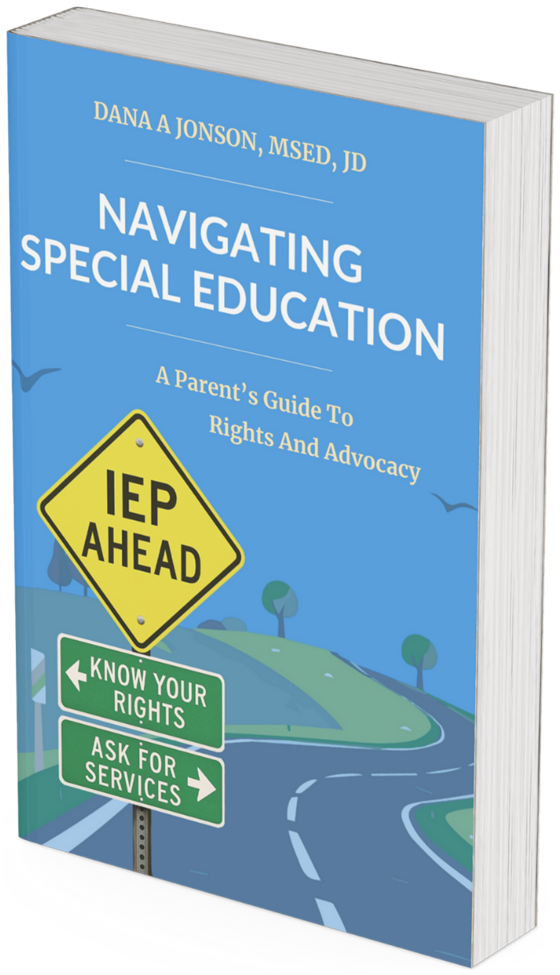
Clear answers for every step
Written by a special education attorney who has also been a special education teacher, administrator, and a parent of children with IEPs.
Understand your rights
Clear, accessible breakdowns of your rights under the IDEA, and where Section 504 fits in.
Build advocacy skills
Practical tips, real scripts, and powerful tools to advocate with.
Navigate the IEP process
Step-by-step help for evaluations, IEP meetings, goals and objectives, and more.
Table of contents
Eighteen chapters and twelve appendices with checklists, sample emails, and planning guides. Tap a section to open it.
Before you begin 5
- Acknowledgements
- Preface
- Legal Disclaimers
- Key Terms and Acronyms in Special Education
- Introduction
Chapters 1 to 6 6
- 1Understanding Special Education
- Key Terminology You Need To Know
- What Is Special Education?
- Myths and Misconceptions About Special Education
- Final Thoughts: Knowledge Is Power
- 2Funding For Special Education
- Overview Of Funding Sources
- Applying For Financial Assistance
- Understanding The Budgeting Process
- Final Thoughts: Securing and Advocating For Special Education Funding
- 3Identifying Your Child's Needs
- Signs Your Child May Need Support
- Differences Between Disabilities
- Effective Evaluations
- Final Thoughts: The Power Of Effective Assessments
- 4The IEP Process
- Understanding The IEP
- Steps to Develop An IEP
- What To Do When It Breaks Down
- Final Thoughts: Taking Charge Of The Process
- 5Building A Support Team
- The Role Of Parents As Advocates
- Who Should Be On Your Team?
- Communication Strategies With Educators
- Final Thoughts: Navigating The Labyrinth Together
- 6Navigating The School System
- Understanding Your Rights As A Parent
- What Districts Are Responsible For
- How To Handle Conflicts With Schools
- Final Thoughts: Holding The System Accountable
Chapters 7 to 12 6
- 7Accommodations, Modifications, and Related Services
- Types Of Accommodations
- Understanding Modifications
- Related Services, The Backbone Of Support
- Final Thoughts: The Right Supports At The Right Time
- 8Transition Planning
- Importance Of Early Planning
- Steps For Successful Transitions
- Tools For Transition Readiness
- Final Thoughts: Preparing For A Future That Works
- 9Behavioral Challenges
- Functional Behavioral Assessments (FBAs): Decoding Behavior
- Behavioral Intervention Plans (BIPs): The Roadmap To Solutions
- Restraint And Seclusion: Protecting Your Child's Rights
- Final Thoughts: Behavior Is Not the Problem, Misunderstanding It Is
- 10Discipline Protections Under The IDEA
- Manifestation Determination Review (MDR)
- Patterns Of Removal: One Day Here, Two Days There... Add Up
- Alternative Placements: Navigating Detours
- Final Thoughts: Your Child's Rights Do Not Get Suspended
- 11Bullying, Harassment, And Intimidation
- Finding Your Way Through A Difficult Landscape
- Your Rights When Your Child Is Bullied (or The Bully Themself)
- Taking Action: Steps For Prevention and Resolution
- Final Thoughts: Safety Is Not Optional
- 12Navigating School Avoidance And Truancy
- Understanding School Avoidance And Truancy
- Root Causes And Legal Protections
- Getting Support And Taking Action
- Final Thoughts: From Absences To Answers
Chapters 13 to 18 6
- 13Advocating for Your Child
- Understanding Your Role As An Advocate
- Building Collaborative Relationships
- Turning Advocacy Into Action
- Final Thoughts: The Long-Term Impact Of Advocacy
- 14Emotional Well-being For Parents
- Coping With Stress And Anxiety
- Self-Care Strategies
- Finding Humor In The Chaos
- Final Thoughts: Balancing Advocacy And Emotional Well-being
- 15Navigating Field Trips And Extracurricular Activities
- Finding Inclusive Programs
- Encouraging Participation
- Advocating For Lasting Change
- Final Thoughts: Building A More Inclusive Future
- 16Building Independence
- Teaching Core Life Skills: Building Everyday Confidence
- Encouraging Social Independence
- Preparing For Employment and Post-Secondary Opportunities
- Final Thoughts: Setting Up For A Successful Future
- 17Celebrating Milestones
- Recognizing Progress
- Creative Ways To Celebrate
- Documenting Your Child's Journey
- Final Thoughts: Embracing The Journey
- 18Staying Informed
- Your Advocacy Toolkit
- Joining Support Networks
- Engaging In Policy And Legislative Advocacy
- Final Thoughts: Parents Are The Frontline Of Advocacy
Appendices 12
- IUnderstanding What Evaluations Cover
- IIIs It Time To Request An Evaluation Checklist
- IIISample Email To Request An Evaluation
- IVIEP/Eligibility Meeting Checklist
- VIEP Goals Checklist For Parents
- VIAge-Appropriate Ways For Kids To Join The IEP Process
- VIIYour IEP Team Map
- VIIIParent Concerns And Prep Guide
- IXSample Email Template To Report Bullying
- XAdvocacy Quick Start Checklist
- XILife Skills Readiness Checklist
- XIIAdvocacy and Special Education Resource Guide
Easy reference in an app
Navigating Special Education: The Parent App is a companion to the book, not a copy of it, but you do not need the book to use the app. The book gives you the depth; the app keeps you on track.
- Step-by-step guidance before, during, and after IEP meetings
- Email drafts, reviews, meeting prep, and a record of what you sent and when
- Your information stays on your phone
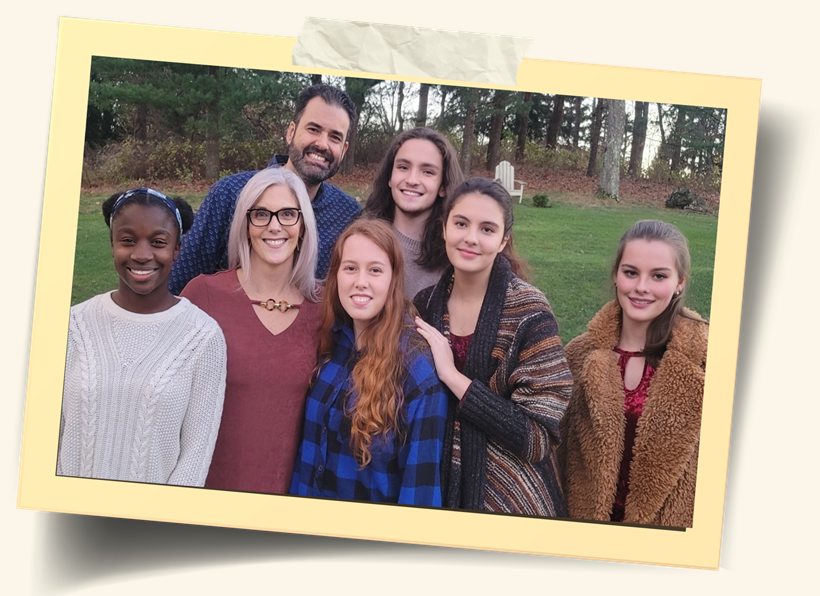
Dana Jonson, MSEd, JD
Dana Jonson, MSEd, JD, is a Connecticut-based Civil Rights attorney who has dedicated her career to advocating for children with disabilities. As an experienced special education attorney, Dana guides families through every phase of the special education process, from IEP meetings to courtroom litigation, with empathy, tenacity, and deep expertise.
Before entering law, Dana was a special education teacher and administrator and held a K–12 certification in Intensive Special Needs. Her dual background in education and law gives her a rare insider's view of the system she now helps families navigate. She holds a JD from Northeastern University School of Law, a Master of Science in Education from Simmons College with a focus on Intensive Special Needs, and a BS in Developmental Psychology from Fairfield University.
Dana also hosts the popular podcast Special Ed on Special Ed, where she and fellow experts break down complex topics to empower parents and caregivers. She regularly leads workshops for families and educators, turning complicated legal rights into clear, actionable guidance.
A mother of five children with varying special education needs and a foster parent to many more, Dana understands firsthand the challenges parents face. Her lived experience fuels her unwavering commitment to helping families find their voice, understand their rights, and advocate effectively.
Bulk orders, speaking, and interviews
For copies for your school or parent group, workshop and speaking requests, or interviews, please contact the publisher, StarrWay Press.
Common questions
Tap a question to see the answer.
Who is this book for?
Parents and caregivers of children with disabilities, whether you are just starting to wonder if your child needs support or you have been to many IEP meetings.
Who wrote it?
Dana Jonson, MSEd, JD, a special education attorney who has also been a special education teacher, administrator, and a parent of children with IEPs.
What does the book cover?
Your child's rights under the IDEA, evaluations, IEP meetings, goals and objectives, accommodations and modifications, behavior and discipline protections, bullying, transition planning, and resolving disagreements with a school district. It also explains where Section 504 fits in. Eighteen chapters and twelve appendices include checklists, sample emails, and planning guides.
Does it apply in my state?
Yes. The book explains federal special education law, which applies in every state. Federal law is the floor, the minimum every school must provide. Many states have added their own rules and protections on top of it, and some use different names for things, so check your state's special education laws and regulations too.
Is the book legal advice?
No. The book shares general information about U.S. special education law. It does not replace looking up federal or state law yourself, or consulting with a special education attorney.
What formats are available?
Paperback (opens in a new tab), hardcover (opens in a new tab), and Kindle eBook (opens in a new tab) in English, all on Amazon.
Is there a Spanish edition?
Yes. Navegando la Educación Especial is available on Amazon.
Is there an app?
Yes. Navigating Special Education: The Parent App (opens in a new tab) is coming soon to the App Store and Google Play. It gives step-by-step guidance before, during, and after IEP meetings, and your information stays on your phone.
Do I need the book to use the app?
No. The app keeps you on track, and the book gives you the depth and understanding behind each step. You can use either one on its own.
Can I order copies for my school or parent group?
Yes. For bulk orders, speaking requests, or interviews, please contact the publisher, StarrWay Press, at info@starrway.press.